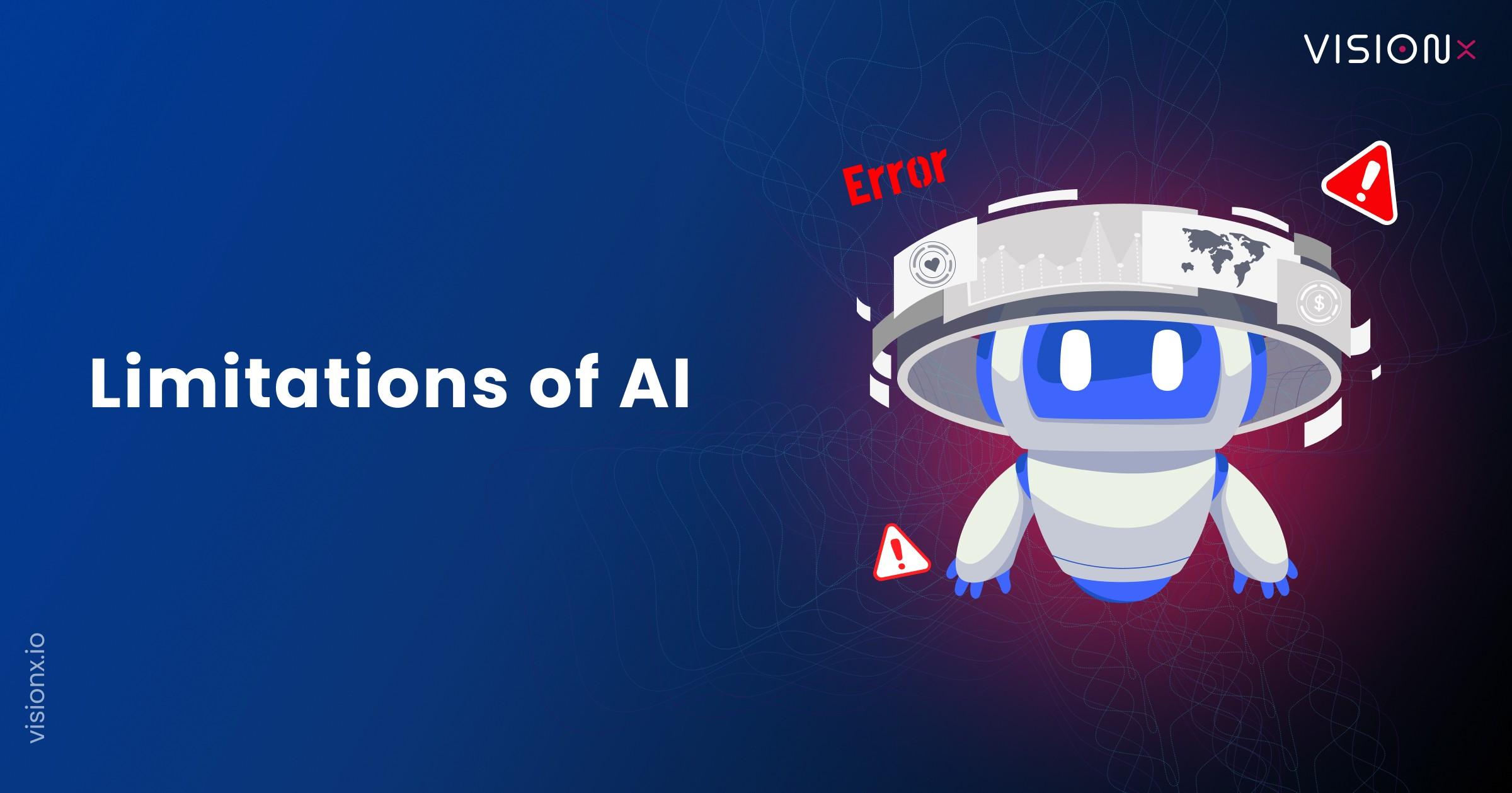
Not everything AI touches turns to gold. Sometimes, it simply hits a wall. AI can solve complex problems, but struggles when things don’t fit its rules. Behind the breakthroughs lie real limitations of AI that affect trust and decisions.
In a world that chases faster results and smarter machines, the limits of AI matter more than ever. They shape how trust forms, choices get made, and human values stay protected in a digital-first world. It’s a closer look at the cracks that remind us that even though machines hold power, they remain imperfect.
A recent study (opens in a new tab) reveals that AI systems like ChatGPT can exhibit human-like reasoning flaws, including biases and irrational choices, one of many AI weaknesses that challenge their reliability. Researchers from institutions in Canada and Australia tested OpenAI’s GPT-3.5 and GPT-4 across 18 well-known human biases and found irrational decision-making in nearly half the cases. It shows that AI is not immune to error, nor can it fully replace human intuition.
This blog identifies the top 10 limitations of AI technology and explains why these AI limits matter for both technology and society in 2025.
Key Takeaways
- AI depends on large, high-quality datasets, and when data is insufficient or biased, it can produce inaccurate or unfair outcomes, especially in critical industries.
- AI systems depend heavily on massive, high-quality data, high resource costs, and “black box” decision-making, which limits trust and adoption.
- Despite strong problem-solving abilities, AI lacks true creativity, common sense, and emotional intelligence, limiting its effectiveness in tasks requiring judgment, empathy, or ethical reasoning.
- AI remains vulnerable to adversarial attacks, ethical dilemmas, and high resource demands, which restrict its scalability and adoption in smaller organizations and high-stakes environments.
- Human oversight and collaboration are key to overcoming AI’s limitations, ensuring that human judgment, creativity, and ethics complement AI’s data-driven strengths for safer and more effective outcomes.
What Are the Limitations of AI?
Limitations of AI are the challenges and boundaries that stop artificial intelligence systems from working perfectly or copying all parts of human intelligence.
These AI limits include a lack of true creativity and common sense, the potential for bias in its decision-making, and a dependency on large amounts of high-quality data. Other key limitations include high development and maintenance costs, privacy and security risks, ethical dilemmas like job displacement, and the “black box” problem of a lack of transparency. These challenges expose what AI lacks. Despite advances, AI still struggles with common sense, abstract thinking, and judgment, areas where humans outperform machines.
Knowing these limitations of artificial intelligence helps set clear expectations and supports responsible AI development and use of AI frameworks. It also shows why AI will never fully take over roles that need empathy and creativity.
AI vs. Human Intelligence
| Aspect | AI | Human Intelligence |
|---|---|---|
| Data Processing | Fast with large datasets | Slower, but flexible |
| Creativity | Limited, follows programmed rules | High creativity and intuition |
| Understanding Context | Struggles with nuance | Strong contextual understanding |
| Emotions & Ethics | Lacks emotional intelligence | Strong ethical and emotional sense |
| Decision Making | Based on algorithms and data | Uses judgment and experience |
The Limitations of AI
Despite rapid progress, AI still faces major challenges that limit its full potential. These limitations of AI reveal what holds these systems back in 2025.
1. Dependence on Massive Quality Data Sets
AI needs vast and accurate data to produce useful results. Without strong input, the system can make poor choices or show bias. This issue grows in areas like healthcare, where errors can harm people. A report found that 85% of AI projects fail due to poor data quality (opens in a new tab) or a lack of sufficient data, highlighting how critical reliable datasets are for AI success.
AI depends on massive datasets to learn and make informed decisions, but its performance is influenced by the quality and quantity of the data given to it.
2. High Resource Costs: Energy, Time, and Data
Modern AI models need powerful computers, lots of data, and long hours to work at their best. These demands lead to high energy usage and a large carbon footprint. Startups and smaller teams frequently find it difficult to meet these demands.
Because of this, developing AI is more expensive and difficult, which is a major drawback of artificial intelligence. This weakness of AI limits its broad adoption and slows innovation, especially for smaller businesses. The failure to scale AI efficiently remains one of the biggest AI limitations in 2025.
3. Explainability and Interpretability Problem
AI models often produce results without a clear explanation of the underlying logic. This lack of transparency reduces trust, especially in sensitive fields like healthcare or law. Without clear paths from input to result, humans can’t fully rely on the system. This “black box” issue is a major limitation of AI and a clear shortcoming of artificial intelligence in high-stakes environments.
As a matter of fact, a study found that explainable AI models led to a five-fold decrease (opens in a new tab) in the median error rate of human decisions in real-world tasks compared to black-box models. This highlights the importance of transparency in AI systems.
4. Lack of Common Sense and Contextual Understanding
AI lacks the natural logic that people apply daily. It misses tone, fails to adapt to new situations, and often misreads casual language. This weakness of AI reduces its performance in real-world cases where context guides decisions.
The gap highlights a major drawback of artificial intelligence in critical thinking. These challenges reflect some of the most persistent limitations of AI when applied outside of structured environments, especially in areas where AI cannot match human judgment.
5. Bias in Training Data and Algorithmic Discrimination
AI learns from past data, but that data often reflects human bias. These flaws show up in hiring, policing, and medical systems. AI repeats the same errors, sometimes at scale, with no sense of fairness.
For example, compared to white patients with comparable medical needs, an AI healthcare algorithm in the United States was less likely to recommend additional care for Black patients. This case highlights a critical weakness of AI and exposes what AI cannot do: treat all individuals equally without inheriting human prejudices.
6. Inability to Demonstrate Genuine Creativity
AI models can remix data into new formats, but cannot create from emotion or inspiration. True creativity draws from life, feeling, and deep thought, none of which machines possess. AI lacks purpose and intent, which are the key elements of original work. These limits show what AI can’t do in creative fields.
Apparently, over three-quarters (76%) of people believe AI-generated content should not be considered art (opens in a new tab), underscoring a significant limitation of AI in producing truly original and emotionally resonant creative works.
7. Ethical and Moral Limitations
AI follows commands but cannot weigh values, context, or emotion. In life-or-death choices, like those in autonomous vehicles, ethics cannot apply. These moments require human judgment, not cold logic. The limitations of artificial intelligence in ethics pose serious risks for society.
For example, in a potential crash scenario, an autonomous car may be unable to decide whether to prioritize the safety of its passenger or pedestrians. AI is just not capable of making this judgment, which showcases the limitations of AI assistant capabilities.
8. Vulnerability to Adversarial Attacks
Small tweaks to input can fool AI, which causes major errors in results. This makes AI systems weak against fraud, spam, and cyber threats. In high-stakes areas like defense or finance, this flaw creates risk and fear and exposes the spots where AI is not good at.
It’s a clear sign of the limitations of AI in maintaining reliability and security in real-world applications. According to Gartner, 30% of all AI cyberattacks will use training-data poisoning, AI model theft, or adversarial samples to attack AI-powered systems.
9. Job Displacement and Workforce Challenges
As AI tools grow, they begin to replace tasks once done by people. This shift creates stress in the job market, with fewer roles for those without tech skills. Many workers face a future with fewer options.
For example, in several industries, the need for call center workers has decreased as a result of the emergence of AI-powered chatbots and automated customer support. This shows the things AI can do but humans can’t. These limitations of AI in business require long-term planning and human support. It explains why AI won’t take over every aspect of human labour.
10. AI Can’t Replicate Human Emotions or Empathy
Machines may sound polite or friendly, but they do not feel or have any emotions. They cannot sense pain, joy, or trust, and that matters in roles like care, teaching, or support.
AI chatbots, for instance, can offer basic responses in mental health assistance but frequently fail to recognize subtle signs of discomfort that a skilled human therapist would notice. This exposes the limitations of AI in healthcare, where emotional intelligence is crucial.
This emotional disconnect reflects broader challenges and limitations of artificial intelligence, which reinforces the gap between AI assistant capabilities and its limitations, especially in areas that require deep human understanding.
How to Overcome the Limitations of AI
To move past the current limitations of AI systems, experts focus on better data, stronger oversight, and clearer models. These efforts help fix what AI lacks and support safer use.
1. Fix Bias and Ethical Issues
- Use diverse, high-quality datasets
- Monitor outputs for discrimination
- Add fairness checks to reduce AI weaknesses
2. Improve Explainability and Trust
- Design models that show how results are made
- Avoid black-box systems in sensitive fields
- Help users understand what AI can’t explain
3. Strengthen Context and Reasoning
- Train AI to detect tone, emotion, and setting
- Reduce missteps in language and vision models
- Narrow the gap in what AI cannot do vs. humans
4. Keep Human Oversight in Place
- Review AI output in law, medicine, and hiring
- Prevent over-automation in complex tasks
- Balance AI capabilities and limitations with real-world checks
Where AI Succeeds Despite Its Limitations
The limitations of AI technology are real, but that doesn’t mean it’s useless. In fact, there are areas where AI capabilities offer real value.
- In customer service, AI agents handle tons of questions, cut wait times, and give steady support across platforms.
- In healthcare, AI tools help doctors by spotting patterns in scans or records that might slip through, which can lower human error.
- In business, AI facilitates smoother supply chains, assists in forecasting future demand, and supports decision-making. Due to natural language processing, virtual assistants are able to perform mundane tasks and respond to standard inquiries quickly.
- Autonomous vehicles use AI to read the road, dodge hazards, and stay on course. With neural networks and machine learning, companies find fraud, suggest products, or spot trends with speed.
These examples show that even with flaws, artificial intelligence can help a lot if people set clear goals and keep human oversight in place. Knowing the risks and that AI systems still require human help helps get the best out of AI technologies.
Future Outlook: Can We Overcome These Limitations?
The challenges and limitations of AI in the present era are significant, but ongoing efforts in research and development offer hope for overcoming many of these challenges in the near future.
- Reduces Bias and Improves Fairness
Efforts focus on refining training data and algorithms to reduce bias. Ensuring diverse and high-quality data helps AI systems deliver more balanced and fair outcomes.
- Enhances Explainability
Developers work on methods to make AI decisions more transparent. Improving explainability builds trust and allows better evaluation of AI in critical areas like healthcare and finance.
- Bridges the Gap to Human Intelligence
Advances in machine learning aim to help AI better understand context and nuance. Although true human-level reasoning remains distant, progress narrows this gap.
What VisionX Does to Overcome the Limitations of AI
At VisionX, we understand the limitations of AI, and we know how to build smart solutions around them. Our experts combine technical expertise with real-world knowledge to provide tools that matter.
Here’s how we help?
- We apply machine learning, natural language processing, and computer vision to enable businesses to solve issues, save money, and increase accuracy. All this with robust training data, clear objectives, and hands-on human guidance.
- Whether it’s reducing bias in algorithms, improving the decision-making process, or creating explainable AI models, we focus on responsible and effective AI development.
- In healthcare, we assist with early diagnosis tools that support, rather than replace, doctors.
- In the retail industry, we build intelligent recommendation engines that personalize the user experience.
- And in manufacturing, we optimize supply chains with predictive insights.
By staying aware of the strengths and limits of modern AI technologies, VisionX ensures each solution fits the business need without overpromising what AI can do. If you’re looking to use AI the right way, without losing sight of trust, accuracy, and impact. VisionX is ready to help.
FAQ
Frequently asked questions
AI depends heavily on large, high-quality datasets and significant computational power. It struggles with explainability, common sense, creativity, and ethical judgment. Bias in training data and vulnerability to attacks also limit its reliability.
People use AI in many areas, including customer service, healthcare diagnosis, supply chain optimization, fraud detection, virtual assistants, autonomous vehicles, and personalized recommendations.
AI lacks true consciousness, emotions, and common sense. It requires human oversight, relies on data that can be flawed, and cannot make ethical decisions. These limits mean AI complements rather than replaces human intelligence.
Most AI models have rules to avoid harmful or unsafe content. However, some open-source tools, such as Stable Diffusion, allow users to adjust settings and increase limits. Still, this raises concerns about bias, misuse, and fairness, major limitations of AI that show what AI cannot do without human control.
The 5 key disadvantages of AI are high development costs, bias in decision-making, lack of true creativity, job displacement, and vulnerability to security risks. These cons of AI show us why humans can never be replaced by this advanced technology.
If businesses want to overcome these limitations, they should use diverse and high-quality datasets, design models that encompass transparency, keep human oversight in place, and apply strict ethical guidelines.
Although AI can perform specific tasks with precision and accuracy, it still cannot replace human intelligence because of its limitations in replicating human emotions or empathy. These systems cannot feel or show emotions, which becomes a huge challenge in the healthcare sector where emotional intelligence is crucial.