Business intelligence without AI leads to blind decisions. You wouldn’t make decisions about your supply chain based on last month’s weather report. So why rely on outdated dashboards to guide today’s strategy?
Here’s what changes when business intelligence and AI work together:
- Your reports transform from “what happened” to “what’s about to happen.”
- 85% more accurate forecasts.
- You understand what customers say across calls, emails, and social media right away.
So, what exactly is AI in business intelligence? And how does it improve traditional BI systems?
We will break it all down for you so that you can make the right call every time.
What is Business Intelligence and AI?
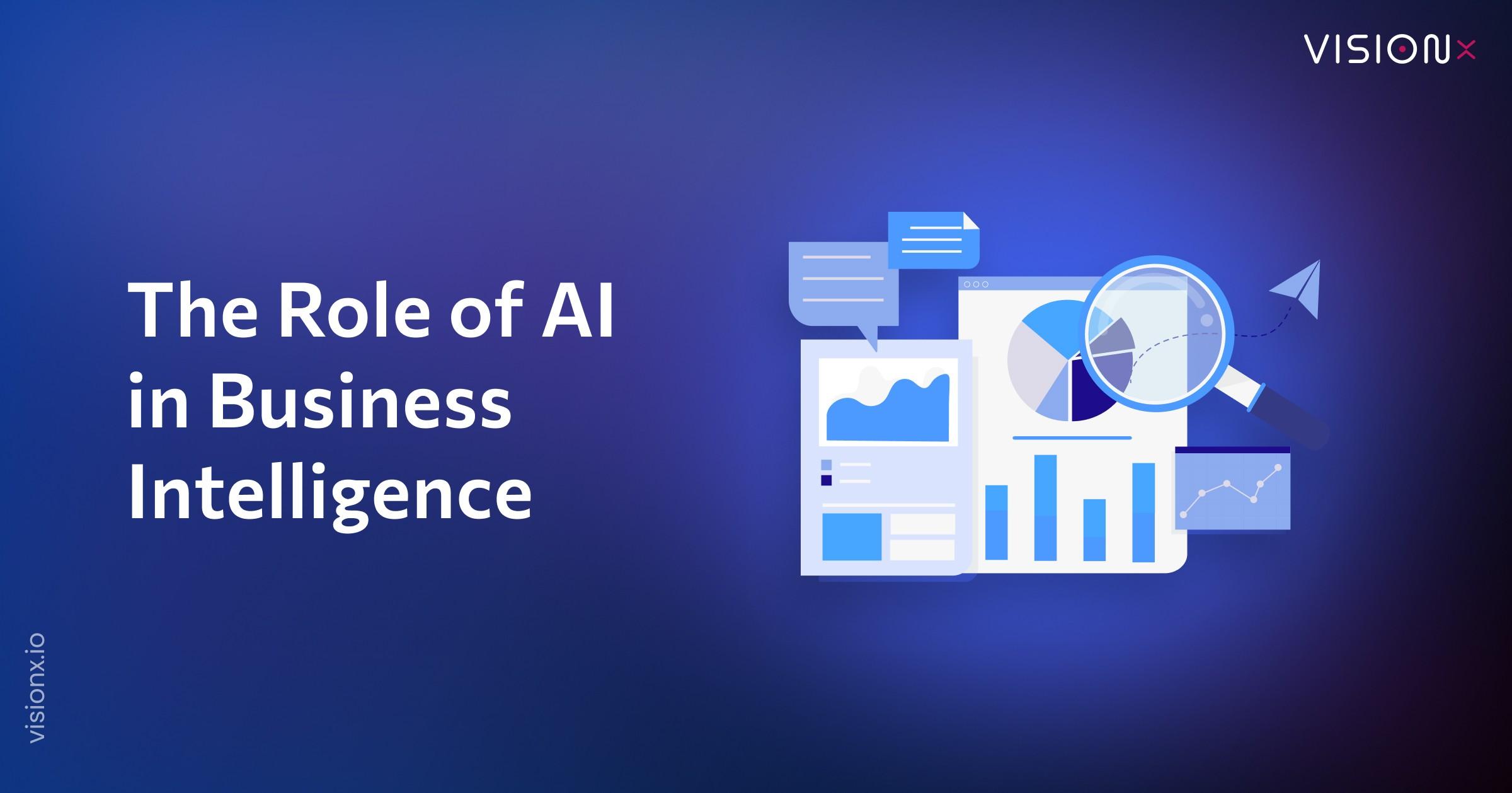
Business intelligence and AI combine data tools and artificial intelligence to support smart business choices. Business intelligence shows what happened by using reports and dashboards based on past data. AI adds more value through tools like machine learning, natural language processing, and predictive models.
As AI becomes part of more BI systems, it helps automate tasks, improve data analysis, and guide better decisions. This leads to faster and more efficient business action. With business intelligence and AI, companies use data to make decisions, find clear direction, and achieve better results in all parts of the business.
What is the Role of AI in Business Intelligence?
The role of business intelligence and AI is to help companies make better decisions using real-time information. Traditional business intelligence focuses on reports created from past results. But AI in business intelligence moves ahead of that. It brings the ability to forecast trends, detect risks early, and extract meaning from unstructured data.
A Deloitte study (opens in a new tab) found that 65% of enterprises already use some form of AI-driven business intelligence to guide operations and investments.
Here’s how AI is transforming BI systems:
1. Faster Data Analysis
With business intelligence and AI, your system scans large data sets and finds answers fast. It uses an AI model to sort and structure data from across your company. This helps you spot patterns in sales, finance, and the supply chain with ease.
2. Increased Operational Efficiency
AI-powered business intelligence enables your tools to handle data checks, error notifications, and data clean-up. This lets you concentrate on strategic issues. These tools also improve data governance, so your results stay clear and reliable.
3. New Capabilities
By using natural language processing (NLP), users type a question and get answers instantly. For example: “What product sold the most last week?” No need for code or tech skills. Predictive analytics helps forecast sales, identify customer needs, and avoid delays in the supply chain.
4. Enhanced Accuracy and Speed
Business intelligence and AI work together to use historical data in a smarter way. You get alerts that matter and dashboards that adjust to your role. AI in BI helps you gain data that fits your goals. The system shows clear answers and helps you act fast.
Difference Between Business Intelligence and AI
Business Intelligence (BI) is the process of gathering, sorting, and studying data to help companies understand past events and their causes. It uses tools such as dashboards, reports, and visualizations to display historical data clearly and effectively.
Artificial Intelligence (AI) refers to machines that can imitate human intelligence. These systems use tools like machine learning and natural language processing. They identify patterns, recognize trends, and make decisions based on data.
The core difference lies in how each tool works. BI focuses on past events and shows results in a clear format to support decisions. AI adds depth by using large sets of data to predict future outcomes, suggest actions, and handle tasks without human effort.
BI shows what happened and why it happened. AI helps determine what comes next. When you use them together, business intelligence and AI form a solid system that supports quicker and better business decisions.
Application of AI in Business Intelligence
AI in business intelligence opens up better ways to use data in important areas. Here are five strong applications that demonstrate how business intelligence and AI collaborate to support real-time decisions.
Fraud Detection
AI spots unusual activity in transactions or access patterns by studying past behavior. AI-powered business intelligence supports fraud detection, helps reduce risk, and protects sensitive data.
Customer Insights
AI tools scan customer data from chats, reviews, and actions to reveal habits, needs, and pain points. This leads to better service and stronger engagement.
Predictive Analytics
AI business intelligence utilizes past data to forecast sales and identify shifts in demand. This helps businesses plan ahead and avoid loss.
Personalized Recommendations
AI suggests products or content based on each user’s habits. Artificial intelligence in business intelligence improves customer experience and lifts conversion rates.
Automated Report Generation
AI pulls data, highlights key facts, and builds easy-to-read reports. This saves time and supports fast, informed choices.
Challenges of Implementing AI in Business Intelligence
While the impact of business intelligence and AI is strong, success often meets obstacles. Addressing them early helps firms reap the full value.
Poor Data Quality
AI depends on clean, accurate data. Many companies face scattered or outdated records. To fix this, teams need to prioritize strong data governance. A clear process for collecting and sorting data helps build trust in AI-powered business intelligence.
Lack of Skilled Talent
Many firms lack in-house AI experts. This gap slows growth and limits the use of AI in business intelligence. Partnering with experienced AI providers or training current teams can close this gap.
Complex Integration
There is frequently conflict when integrating AI tools with older BI systems. Start with use cases that align with present objectives, and then grow from there. Clear planning and appropriate technical assistance are necessary for smooth integration.
High Costs
AI tools can require a large upfront investment. To reduce risk, companies should begin with pilot projects. This helps prove value before expanding across the business.
The Future of AI in BI
As we look ahead, three fundamental shifts will redefine how organizations use data through AI-powered business intelligence:
1. Autonomous Decision Systems
Next-generation platforms in business intelligence and AI will evolve into self-directed systems. These systems will not only run data analysis but also act on outcomes. With real-time input, they will adjust strategies, support business goals, and improve results without human input.
2. Ubiquitous Embedded Analytics
AI-powered business intelligence will fade into core workflows. Instead of switching tools, users will receive insights directly within their business systems. Context-based alerts and AI-driven suggestions will guide every step. This will shift focus from dashboards to direct, task-based support inside daily tools.
3. Human-AI Collaboration Frameworks
Business intelligence and AI will promote systems that enhance human input rather than replace it. Interfaces will include natural language questions, adaptive visuals, and explainable AI models. These systems will align with user intent, support decision cycles, and allow full control through clear, guided feedback.
The global business intelligence software market (opens in a new tab) is expected to exceed $43 billion by 2028, where artificial intelligence plays a major role in this growth.
How Can VisionX Help?
VisionX helps businesses turn data into clear direction by using AI in business intelligence. Our experts create custom solutions that connect your data, highlight important insights, and support quick decisions.
With VisionX, you can:
- Forecast demand with precision across products, regions, or customer groups
- Detect fraud early by tracking unusual patterns in transactions or behavior
- Uncover customer insights from real-time data across channels
- Automate decisions by linking AI to your business workflows
We handle everything from setting up AI models to improving workflows. We focus on practical results. Our solutions serve industries like retail, healthcare, finance, and supply chain, where speed and accuracy shape outcomes.
If you want to forecast demand, spot fraud, or discover real-time customer insights, let VisionX design an AI-first BI solution that meets your goals, addresses blind spots, and drives genuine business impact.
FAQ
Frequently asked questions
AI in business intelligence uses artificial intelligence tools such as machine learning, natural language processing, and predictive models to support better decisions. It helps teams sort data, find trends, and guide action. With the help of business intelligence and AI, companies gain fast insights and stronger control across operations.
Start with a clear goal, such as fraud detection, demand forecasting, or customer insight. Use AI tools inside your BI system to study data from various sources. These tools work with both structured and unstructured data to uncover patterns and suggest next steps. Teams can improve results without heavy manual effort by using trusted partners like VisionX.
To enter this field, build a strong base in data analytics, math, and computer science. Learn tools such as SQL, Python, and Power BI. Explore AI platforms and complete real projects to show your skills. Add certifications to prove your knowledge. With hands-on experience and a clear focus, roles in AI and business intelligence become easier to reach.