Something about projects makes chaos feel normal. A project with five teams, thirty tasks, and a deadline that already feels too close. Updates scatter across emails, Slack threads, and old spreadsheets. One task slips. Then another. And by the end of the week, the timeline looks nothing like the one you planned.
AI project management does not erase that chaos, but it makes it visible. It does the work that no one has the time for. It maps tasks, weighs deadlines, and warns you before a small delay turns into a missed goal. You still set direction, you still call the shots, but now you have a partner that never blinks.
Studies back this up. Seven in ten project managers (opens in a new tab) now use AI in their daily workflows, and most report better results for their projects.
For project managers, the use of AI is a way to bring accuracy and flexibility to every project. If you want to know how to use AI for project management in a way that helps you hit deadlines instead of chasing them, this guide will show you.
What Is AI in Project Management?
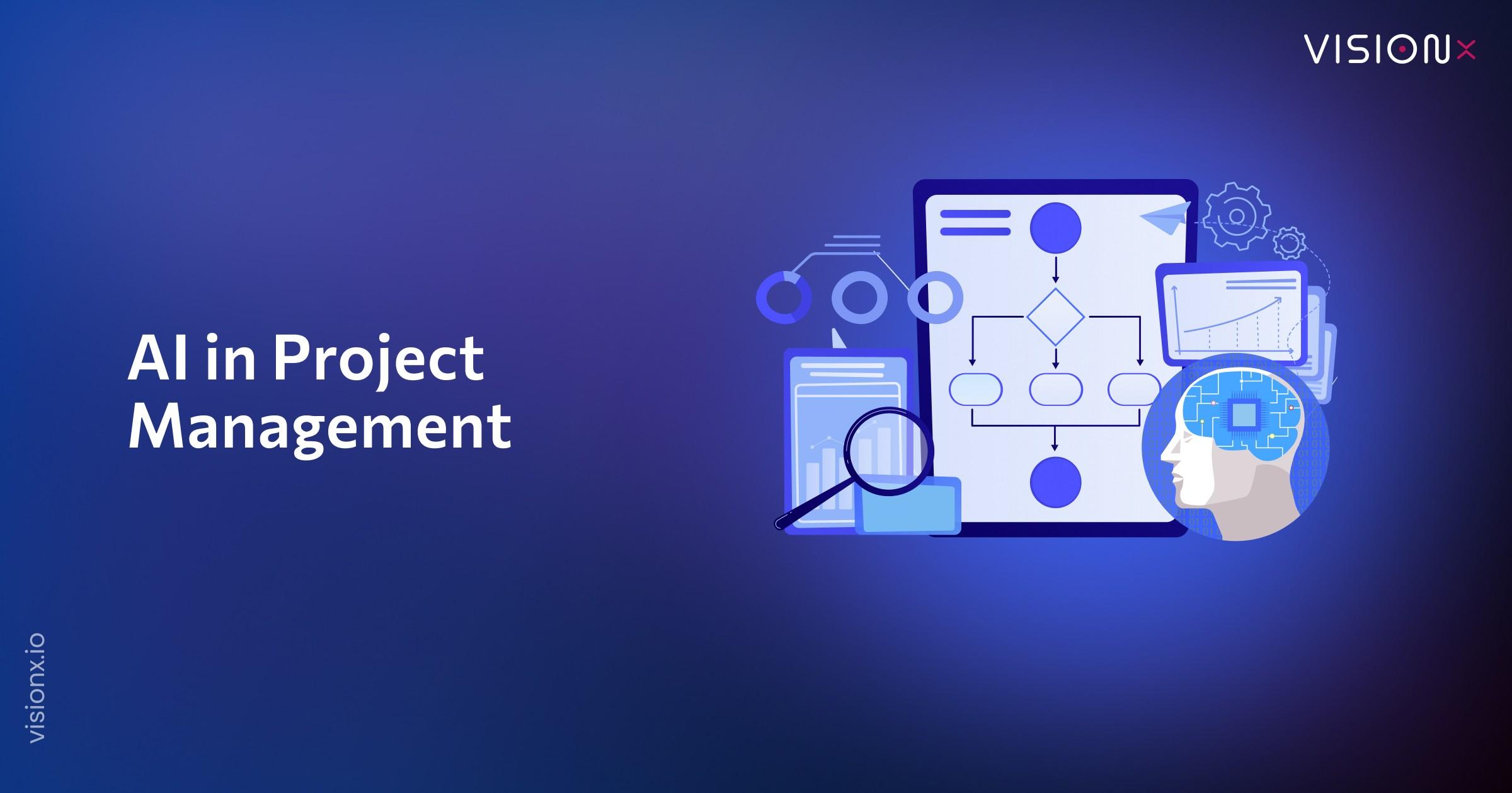
AI project management refers to the use of artificial intelligence to manage core elements of a project, such as planning, scheduling, reporting, resource allocation, and performance tracking. The role of project managers still remains. AI only helps them automate routine tasks and adds insights that guide better decisions.
The use of AI in project management helps software analyze historical project data, predict risks, and recommend adjustments before delays occur. Predictions that are correct and real-time visibility are what make it valuable.
Take AI project management software, for instance. It can adjust schedules the moment tasks slip. If you pair that with generative AI in project management, you get reports written for you, meetings summed up, and clear suggestions for what to do next.
AI is used in project management to increase accuracy, automate tasks, reduce manual effort, speed up project delivery, and give teams a reliable base for decision-making.
Key Benefits of AI in Project Management
When you use AI project management, you reduce extra work and guide projects with more authority. These are five benefits that show how AI is improving project management.
Automation of Routine Work
For project management teams, AI automates tasks such as schedule updates, data entry, and report creation. These jobs consume hours of your week without adding significant value. Once AI automates these tasks, you get further time to plan, guide your team, and concentrate on increasing the effectiveness and caliber of customer support and service.
Data Analysis and Insights
AI goes through project data at a pace that no human can match. It finds trends, predicts pitfalls, and offers perceptivity that shape your next step. Rather than waiting for problems to appear, you know where trouble can arise and can set your project management team on the right path beforehand.
Smarter Resource Management
AI in project management gives you a clear view of how resources are used in real time. You see where staff feel stretched and where skills are underutilized. This makes it easier to assign tasks fairly, avoid burnout, and keep progress steady.
Risk Management and Mitigation
AI project management software does not wait for issues to grow. It flags them early, whether it is a late delivery, a budget gap, or a weak point in the schedule. That alert gives you time to adjust timelines, reassign tasks, or shift focus before the project slips.
Enhanced Decision-Making
With the help of AI and project management, project managers can make well-informed decisions through multiple AI technologies, such as machine learning and NLP. These technologies bring speed, accuracy, and support the entire project management process.
Proof in Numbers
A McKinsey survey (opens in a new tab) shows that 78% of organizations now use AI in at least one business area. That growth shows how quickly AI has moved from a side experiment to a core part of daily work.
How to Use AI for Project Management Successfully
To apply AI for project management effectively, you need to comply with a structured approach. Follow this step-by-step process to put AI in project management into practice:
Step 1: Automate Repetitive Work to Free up Focus
The first step is to remove routine tasks from a project manager’s schedule. AI tools for project management can assign tasks, set meetings, and create weekly reports. Instead of manual updates or endless reminders, an AI tool handles these instantly. Managers then devote energy to strategy, stakeholder contact, and critical choices rather than low-value tasks.
Step 2: Use Predictive Insights for Risk and Cost Control
A major advantage of AI and project management lies in forecasts. AI learns from past project data and catches patterns that lead to delays or budget pressure. By applying predictive models, managers act early to prevent failures. This strengthens AI quality control, since the system highlights weak points before they grow. For example, if data shows one supplier often causes setbacks, managers can secure alternatives ahead of time.
Step 3: Gain Visibility with Real-Time AI Project Tracking
Reports often arrive too late to guide action. With AI project tracking, dashboards update continuously to reflect progress, dependencies, and resource use. Managers log in and view accurate information without wasting any time. This clarity helps teams adjust timelines, redirect staff, and update stakeholders without delay.
Step 4: Match AI Technologies with Group Processes
Not all teams operate in the same manner. AI project management systems that provide cross-location cooperation may be necessary for remote teams. AI solutions that monitor resources, safety regulations, or field updates might benefit on-site staff more. Choose tools that complement the team’s work style rather than impose strict procedures. This step is essential to achieving the effectiveness of AI in project management.
Step 5: Keep Human Judgment at the Center
AI delivers data-driven insight, but it cannot provide context or empathy. Managers must apply human judgment to balance analysis with leadership. Industry 5.0, where AI highlights options and humans decide the right path. No AI technology can replace a manager’s ability to inspire teams, engage in negotiations, and settle conflicts.
Step 6: Review Results and Expand Gradually
Once AI is in place, measure its effect carefully. Did project reporting become faster? Did risk management improve? Are stakeholders more satisfied with updates? If the answer is yes, expand AI into more areas of your workflow. If not, refine your approach. Long-term success in AI for project management depends on continuous improvement. Just like a project itself, AI adoption should be iterative, with small adjustments that add up to major results.
Top AI Project Management Tools You Can Try
You have many choices when it comes to AI project management tools in 2025. Each category offers a different type of support, and the right fit depends on your project goals.
Smart Scheduling Tools
These tools use AI to arrange tasks, meetings, and reminders into calendars. They keep timelines tight and make sure nothing slips through.
Predictive Analytics Platforms
Here, AI looks at past data and spots risks before they grow. You see where deadlines may fail, where costs may drift, and what actions can keep the project on track.
Collaboration Systems with AI Support
These platforms improve team communication. AI sends instant updates, creates summaries, and makes sure everyone stays aligned.
Generative AI for Project Docs
Generative AI in project management can create reports, draft status updates, and suggest next steps. This reduces manual writing and gives managers more time for decisions.
Why VisionX?
We build custom AI solutions that fit your workflows. From predictive task assignment and AI project tracking to real-time dashboards and risk alerts, VisionX ensures your team works smarter and projects run smoothly.
Tips for Getting the Most Out of AI in Projects
To fully benefit from AI project management, follow these steps.
- Look at your project from the team’s perspective. Ask what tasks cause the most delays or confusion. Using AI for project management to streamline these pain points saves time and reduces frustration.
- Notice where decisions require constant speculation or assumptions. AI in project management can provide insights and forecasts so choices are backed by data, reducing errors and uncertainty. Gartner predicts that 80% of project management work will be done by artificial intelligence by 2030.
- Observe how updates and progress are tracked. Scattered emails and multiple spreadsheets slow everyone down. AI tools for project management centralize information and keep the team aligned effortlessly.
- Check how resources are distributed across tasks. Some team members may be overloaded while others remain idle. Utilizing AI and project management to balance workloads maintains steady productivity and prevents burnout.
Challenges and Risks of AI in Project Management
AI has clear benefits, but it also has some limitations you must prepare for. However, you can handle them before they affect your project, only if you know them in advance.
- Data Security and Privacy
AI tools rely on project data. If security is weak, sensitive details can leak. Pick tools with strong data protection and limit who has access to sensitive files.
- Bias in Decisions
AI only works as well as the data you feed it. If that data has gaps or bias, the results will be flawed. Review data before you use it. Remove bias and fill gaps to improve the accuracy of AI outputs.
- Team Resistance
Not everyone is ready to trust AI in project management. Some may fear it or see it as extra work. Train your team and show real benefits. When people see time saved and fewer errors, they are more open to using it.
- Cost of Adoption
AI project management software adds cost. If you bring it in without clear goals, you may not see the return. Start with small use cases and track results. This helps prove value before you spend more.
Future of AI in Project Management
AI project management will change how projects operate. The future of AI points to better forecasts, faster insight, and systems that remove more of the manual effort that slows you down today.
Rise of Agentic AI
Future tools will not stop at alerts. They will take action on smaller projects and task updates without your input. AI project management software will reassign work, update schedules, and send timely reminders. This allows you to stay focused on strategy while projects stay on track.
Predictive Project Success Models
AI will run models that show the chance of success based on past results, resources, and progress. You will know early on if a project is at risk. This use of AI in project management gives you time to respond before issues grow larger.
AI as a Project Co-Pilot
AI will act as a true partner in project work. It will suggest next steps, provide context for choices, and handle reporting. With AI for project management, you get daily support that helps you focus on leadership while the system manages detailed work.
Wider Use Across Industries
The adoption of AI project management tools in 2025 will expand across every sector. Tech, healthcare, finance, and retail will treat AI as a standard practice. Teams will expect generative AI in project management to create reports, provide updates, and support collaboration. What looks advanced now will soon be the normal way to manage projects.
Why Choose VisionX for AI-Driven Project Workflows
If you want projects to run smoothly, you need a system that fits the way your team actually works. VisionX provides a custom AI solution that consolidates planning, task management, and reporting into a single platform. You see every task, every risk, and every update in real time, without hunting for information across different tools.
Other tools make you adapt to them. Some handle schedules and some focus only on team updates. VisionX does it all together, so you can focus on decisions that matter instead of manual tracking.
With VisionX, you don’t have to chase progress. The system highlights risks before they become problems, assigns tasks where they make the most impact, and produces reports and summaries automatically. Your team spends less time on repetitive work and more time on decisions that move projects forward.
Teams using VisionX finish projects faster, save money, and improve results. If you want the same, build with us and put AI for project management to work for you.
FAQ
Frequently asked questions
AI project management means using AI to plan, track, and guide projects. It is important because it cuts manual work, reduces errors, and helps you deliver projects on time.
Look for tools that fit your current workflow. Check if they handle tasks, risks, and updates without extra effort. Always start small, test results, and expand from there.
Yes. AI for project management is not only for large firms. Small teams can use affordable tools to manage tasks, improve accuracy, and finish projects on time.
Keep AI focused on tasks like scheduling, reporting, and updates. Use insights from AI to guide your decisions, but stay in charge of strategy and leadership.